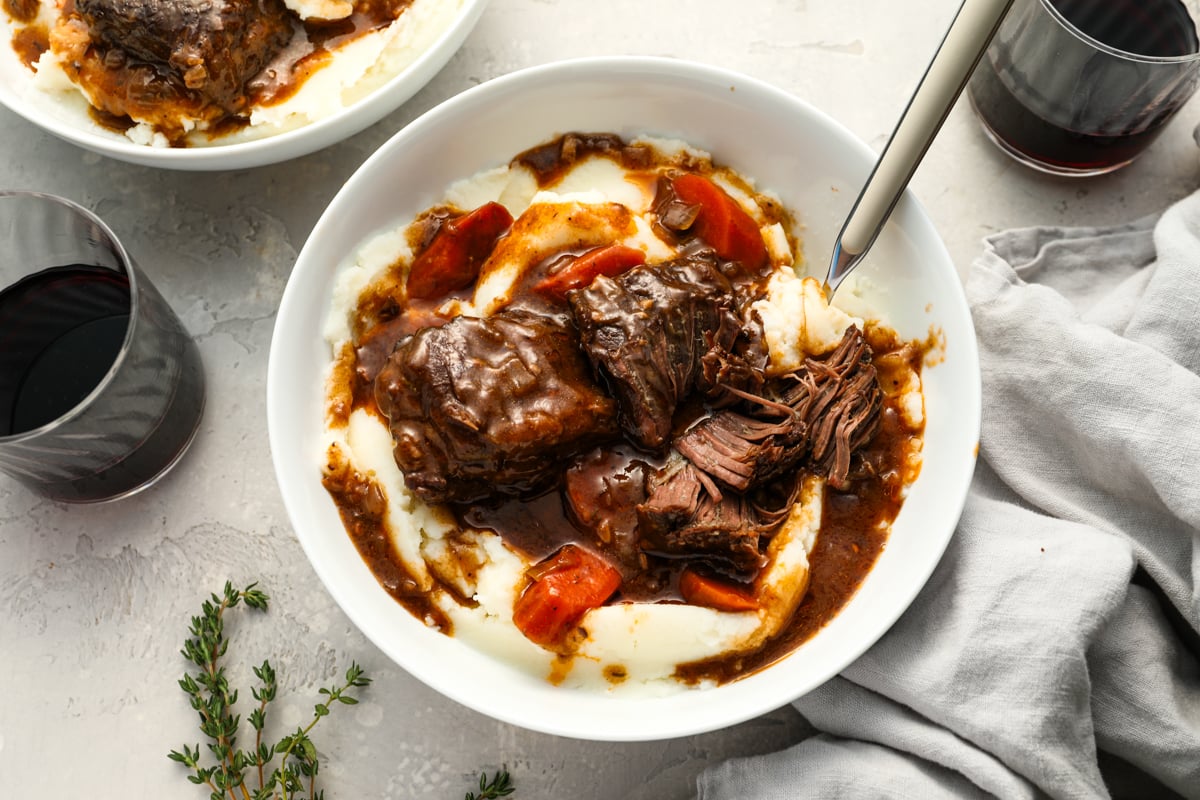
Restaurant-Quality Red Wine Braised Short Ribs: Your Weekend Culinary Escape
Imagine a dish so tender it melts in your mouth, enveloped in a rich, deeply savory sauce that sings with complex flavors. This isn't just a fantasy; it's the reality of expertly prepared
braised boneless short ribs. A true masterpiece of slow cooking, this dish elevates a humble cut of beef into a show-stopping meal, perfect for a cozy weekend at home or an impressive gathering with loved ones. While "restaurant-quality" might sound intimidating, the beauty of braising lies in its forgiving nature and the incredible depth of flavor it develops with time and a little patience.
Forget the hustle and bustle of complicated techniques. Our focus is on maximizing flavor and achieving that coveted fall-apart tenderness, transforming a simple weekend into a gourmet experience. We’ll guide you through every step, from preparing the meat to crafting the perfect braising liquid and delightful accompaniments, ensuring your journey to culinary success is as enjoyable as the meal itself.
The Secret to Succulence: Mastering the Braising Process
Braising is an ancient cooking method, revered for its ability to transform tough cuts of meat into unbelievably tender delights. It involves searing the meat at high heat to develop a rich crust, then simmering it slowly in a flavorful liquid in a covered pot or Dutch oven. This low and slow cooking process allows the collagen and connective tissues within the beef to gradually break down into gelatin, resulting in meat that's not just tender, but incredibly moist and rich. When it comes to
braised boneless short ribs, this method is truly a game-changer.
Why Boneless Short Ribs?
Choosing boneless short ribs offers several advantages. Without the bone, they cook more uniformly, are easier to portion and serve, and yield more edible meat per pound. This also means a less messy eating experience, as the tender beef can be easily flaked with a fork.
The Foundational Step: Dry Brining for Perfection
Before any heat touches the pan, a critical first step for achieving truly restaurant-quality results is the dry brine. This technique, often overlooked in home cooking, works wonders on short ribs:
1.
Enhanced Tenderness: Salt helps to denature muscle proteins, allowing the meat to retain more moisture during cooking and resulting in a more tender final product.
2.
Superior Sear: By drawing moisture from the surface, the dry brine ensures a drier exterior, which is essential for developing a deep, caramelized crust – the foundation of your sauce's flavor.
3.
Seasoning from Within: Unlike surface seasoning, dry brining seasons the meat all the way through, guaranteeing every bite is flavorful.
To execute a perfect dry brine, simply sprinkle approximately ½ teaspoon of kosher salt per pound evenly over all sides of your boneless short ribs. Place them uncovered in the refrigerator for 1 to 12 hours. Remember to remove them from the fridge about 30 minutes before cooking to allow them to temper, ensuring an even sear. For a deeper dive into this transformative technique, explore
Mastering Tender Boneless Short Ribs: Dry Brine & Slow Braise.
The Art of the Sear: Building Flavor from the Start
Patience during the searing phase is paramount. A deep, even brown crust on your short ribs isn't just for aesthetics; those caramelized bits, known as fond, dissolve into the braising liquid, infusing it with unparalleled depth. Take your time, allowing each side of the meat to develop a rich color before turning. Don’t overcrowd the pan; sear in batches if necessary to ensure proper browning rather than steaming.
Crafting the Quintessential Red Wine Braising Liquid
The braising liquid is the soul of this dish, transforming from a collection of ingredients into a complex, glossy sauce that coats every strand of meat. A well-constructed liquid is key to the profound flavors of our
braised boneless short ribs.
The Aromatic Foundation
The initial layer of flavor comes from a classic mirepoix, enhanced with additional aromatics:
*
Onion, Shallots, Garlic, Celery: These form the traditional aromatic base, providing a sweet and savory foundation.
*
Parsnip: Adding a rough-chopped parsnip at this stage introduces a subtle earthy sweetness that complements the beef beautifully.
Pro Tip: Save precious cooking time by chopping these vegetables up to 24 hours in advance. Store them in an airtight container in the refrigerator.
Choosing Your Red Wine Wisely
The red wine you choose is crucial. Opt for a dry red wine that you would genuinely enjoy drinking – something like a Cabernet Sauvignon, Merlot, or Pinot Noir works wonderfully. Avoid "cooking wines," which often contain added salt and preservatives and lack the nuanced flavor profile needed for a truly exquisite sauce. The wine contributes acidity, fruitiness, and tannins, all of which tenderize the meat and add layers of complexity.
The Umami Powerhouse and Flavor Boosters
To elevate the sauce beyond the ordinary, we introduce ingredients that pack an umami punch and provide balance:
*
Red Miso: A fermented soybean paste that delivers a deep, savory, slightly sweet umami, enhancing the overall richness.
*
Dried Mushrooms: Rehydrated or simply added dried, they infuse the liquid with an intense earthy umami.
*
Maple Syrup: A touch of natural sweetness balances the acidity of the wine and vinegar.
*
Balsamic Vinegar: Adds a tangy depth and a hint of sweetness, brightening the sauce.
*
Beef Bone Broth: The primary liquid component, providing robust beefy flavor and collagen for a silky mouthfeel.
*
Whole Fresh Herbs: A bundle of fresh parsley, perhaps with a sprig of thyme and a bay leaf, tied together (a bouquet garni) infuses herbaceous notes that are easily removed before straining.
*
Peppercorns and Allspice: Offer subtle warmth and aromatic complexity.
Before you begin cooking, measure out all your liquids and bundle your umami ingredients. This mise en place ensures a smooth and stress-free cooking process, allowing you to focus on building those layers of flavor.
The Slow Journey to Fall-Apart Perfection
Once the searing is done and the aromatics are softened, the magic of the oven takes over. Oven braising provides consistent, gentle heat from all sides, leading to an incredibly even cook and melt-in-your-mouth results. This hands-off approach also means you can enjoy your weekend while your
braised boneless short ribs slowly transform.
After deglazing the pan with wine and adding the remaining braising liquid and aromatics, nestle the seared short ribs back into the pot. Ensure the liquid mostly covers the meat – you may need to add a little more broth if not. Bring it to a simmer on the stovetop, then cover tightly and transfer to a preheated oven set to a low temperature (around 300°F / 150°C). This low and slow cooking environment is critical; rushing the process will yield tough meat. Allow it to braise for several hours, typically 3 to 4, or until the short ribs are undeniably fork-tender. You should be able to easily pull them apart with minimal effort.
For more insights into perfecting this crucial stage, refer to
Achieve Fall-Apart Short Ribs: Essential Tips for Braising Success.
Refining the Sauce
Once the short ribs are tender, carefully remove them from the pot and set aside. Strain the braising liquid through a fine-mesh sieve, pressing on the solids to extract every last drop of flavor. This step is essential for achieving a silky-smooth, refined sauce. Skim off any excess fat that rises to the surface. Return the strained liquid to a clean pot, bring it to a gentle simmer, and thicken it with a cornstarch slurry (cornstarch mixed with an equal part cold water) until it reaches your desired consistency – a rich, glossy gravy that lovingly clings to the back of a spoon.
Elevating Your Dish: Perfect Pairings & Finishing Touches
While the
braised boneless short ribs are undoubtedly the star, the accompaniments play a vital supporting role, providing textural contrast, freshness, and the perfect vehicle to soak up that exquisite sauce.
*
Creamy Polenta: The ultimate partner. Its mild creaminess and soft texture are ideal for absorbing the rich red wine sauce. Have all your polenta ingredients (milk, broth, butter, cheese) measured and ready to go before the final sauce simmer to prevent a last-minute rush.
*
Wilted Spinach: A simple yet effective addition. Quickly wilted spinach adds a touch of vibrant color and a fresh, slightly bitter counterpoint to the richness of the dish.
*
Crispy Fried Parsnips: For a delightful textural contrast, slice some parsnips into thin matchsticks and fry them until golden and crisp. The earthy sweetness of the parsnips is amplified, and their crunch provides a welcome relief from the tender meat and soft polenta. If prepping ahead, store them in cold water, but ensure they are thoroughly dried before frying for maximum crispness.
*
Fresh Chives: A sprinkle of thinly sliced fresh chives at the end adds a delicate oniony freshness and a pop of green. Wash, dry, and slice them, then refrigerate immediately to maintain their crispness.
The best part? This dish often tastes even better the next day, after the flavors have had more time to meld and deepen. This makes it an ideal candidate for entertaining, allowing you to do most of the prep work in advance and simply reheat and finish before guests arrive.
Conclusion
Embarking on the journey of making restaurant-quality
braised boneless short ribs is a rewarding experience that promises incredible flavors and a deeply satisfying meal. From the foundational dry brine and the crucial sear to the hours of low and slow braising in a rich red wine sauce, each step contributes to a symphony of taste and texture. This weekend delight proves that with a little patience and attention to detail, you can achieve gourmet results right in your own kitchen. So gather your ingredients, set aside an afternoon, and prepare to indulge in a dish that will undoubtedly become a cherished favorite.