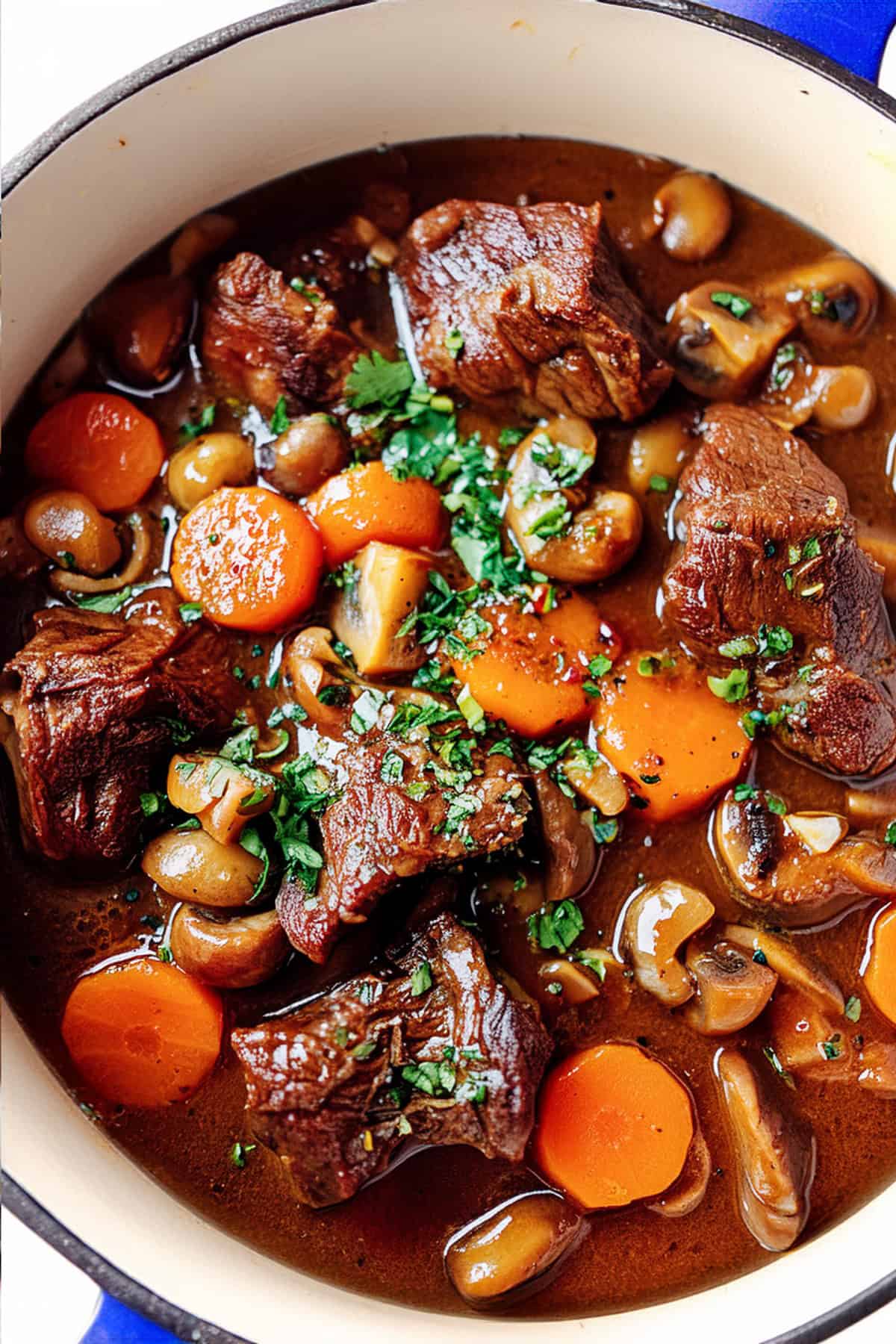
Achieve Fall-Apart Short Ribs: Essential Tips for Braising Success
There are few culinary experiences as satisfying as a plate of perfectly *braised boneless short ribs*. Imagine succulent, melt-in-your-mouth beef, infused with deep, savory flavors, so tender it practically dissolves at the touch of a fork. This isn't just a meal; it's an event, a testament to the magic that happens when patience meets the right technique. While often associated with gourmet restaurants or special occasions, achieving this level of fall-apart tenderness and rich flavor is entirely within reach in your home kitchen. Whether you're planning an impressive dinner party or craving a cozy weekend feast, mastering the art of braising these magnificent cuts will elevate your cooking to new heights.
The Secret to Unrivaled Tenderness: Understanding the Braising Process
What makes *braised boneless short ribs* so uniquely tender? The answer lies in the braising method itself. Unlike grilling or roasting, which suit leaner, naturally tender cuts, braising is a low-and-slow cooking technique designed specifically for tougher cuts of meat rich in connective tissue, like short ribs. These cuts, typically sourced from the chuck or plate section of the cow, are packed with collagen. When subjected to prolonged, gentle heat in a moist environment, this tough collagen slowly breaks down, transforming into luscious gelatin. This transformation is the secret to that coveted "fall-apart" texture and contributes significantly to the silky, rich mouthfeel of the accompanying sauce.
The journey begins with searing the meat to develop a deep, flavorful crust – a crucial step known as the Maillard reaction. This caramelization creates hundreds of new flavor compounds that will infuse into your braising liquid. Following the sear, the ribs are submerged in an aromatic liquid (wine, broth, vegetables, herbs) and cooked, typically covered, in a low oven for several hours. This gentle, moist heat allows the connective tissues to break down without drying out the meat, resulting in unparalleled tenderness and flavor concentration.
Mastering the Prep: The Foundation of Flavor
The success of your *braised boneless short ribs* hinges significantly on the preparatory steps. Think of it as laying the groundwork for a culinary masterpiece.
The Power of the Dry Brine
A dry brine is a game-changer for short ribs, delivering a trifecta of benefits that no chef should skip:
Mastering Tender Boneless Short Ribs: Dry Brine & Slow Braise goes into more detail, but here’s the essence:
- Unbelievable Tenderness: The salt penetrates the meat, helping to break down muscle fibers, resulting in a noticeably more tender interior.
- Superior Crust: By drawing moisture to the surface and then allowing it to evaporate in the refrigerator, the dry brine creates an ideal dry exterior for achieving a deep, even sear. This translates to maximum flavor development during browning.
- Seasoning Throughout: The salt isn't just surface-level; it works its way into the meat, seasoning it from within and ensuring every bite is flavorful, not just the exterior.
How to Dry Brine:
*
Season Generously: Sprinkle approximately ½ teaspoon of kosher salt per pound of boneless short ribs evenly over all sides. Don't be shy; the meat will absorb what it needs.
*
Refrigerate Uncovered: Place the seasoned ribs on a wire rack set over a baking sheet, uncovered, in the refrigerator for 1 to 12 hours. The wire rack allows for air circulation, further aiding in surface drying.
*
Temper Before Cooking: About 30 minutes before you plan to cook, remove the ribs from the refrigerator. Allowing the meat to come closer to room temperature ensures a more even sear when it hits the hot pan.
Assembling Your Aromatic Foundation and Braising Base
The rich, savory liquid your short ribs braise in is just as important as the meat itself. Thoughtful preparation of these components will streamline your cooking process and deepen the final flavor profile.
*
Vegetables: The Aromatic Core: Rough chop your essential aromatics: onion, shallots, garlic, and celery. Consider adding a rough-chopped parsnip to the braising base for an extra layer of earthy sweetness.
*
Pro Tip: These vegetables can be prepped up to 24 hours in advance, stored in an airtight container, to save valuable time on cooking day.
*
Liquids: The Heart of the Braise: Measure out your liquids: a good quality dry red wine (choose one you’d enjoy drinking!), balsamic vinegar for acidity and depth, and robust beef bone broth. The quality of these liquids significantly impacts the final sauce. For more on selecting the best wine, check out
Restaurant-Quality Red Wine Braised Short Ribs: A Weekend Delight.
*
Umami Bundle: Flavor Multipliers: Gather your umami-rich ingredients: red miso paste for savory depth, a touch of maple syrup to balance acidity and add a hint of sweetness, whole black peppercorns, allspice berries, and dried mushrooms (porcini are excellent). Combining these in a small bowl makes them easy to add at the right moment.
*
Fresh Herbs: Infusion Made Easy: Rinse a bunch of fresh parsley and leave it whole. Keeping the bunch intact allows its herbaceous notes to infuse beautifully into the sauce while making it incredibly simple to retrieve before straining.
The Art of the Braise: Searing, Deglazing, and Low-and-Slow Cooking
With your ingredients prepped, the real cooking begins. These steps are where raw components transform into a symphony of flavors.
The Crucial Sear: Building the Foundation
This step cannot be rushed. As Chef Nadia wisely advises, "Take your time when searing the short ribs."
*
Deep, Even Browning: A deep, even brown crust on all sides of your *braised boneless short ribs* is non-negotiable. This isn't just for aesthetics; it's about flavor. The Maillard reaction creates thousands of complex, savory compounds that will form the backbone of your braising liquid.
*
Technique for Success: Heat a heavy-bottomed Dutch oven or oven-safe pot over medium-high heat with a high-smoke-point oil (like grapeseed or avocado oil). Sear the ribs in batches to avoid overcrowding the pan, which can steam the meat rather than sear it. Allow each side to color properly—don't turn too soon! Those browned bits stuck to the bottom of the pan (the "fond") are pure flavor gold.
Building the Braising Liquid and Oven Magic
Once the ribs are beautifully seared, it's time to build the liquid that will transform them.
*
Sauté Aromatics: Remove the seared ribs and add your chopped vegetables (onion, shallots, garlic, celery, parsnip) to the pot. Sauté until softened and fragrant, scraping up any fond from the bottom.
*
Deglaze with Wine: Pour in the red wine and balsamic vinegar, vigorously scraping the bottom of the pot with a wooden spoon to release all those flavorful browned bits. Let the liquid simmer for a few minutes to reduce slightly and allow the alcohol to cook off.
*
Add Remaining Ingredients: Stir in the beef bone broth, your "umami bundle," and the whole bunch of fresh parsley. Bring the liquid to a gentle simmer.
*
Low-and-Slow in the Oven: Return the seared *braised boneless short ribs* to the pot, ensuring they are mostly submerged in the liquid. Cover the pot tightly and transfer it to a preheated oven (typically between 300-325°F / 150-160°C). Braise for 3 to 4 hours, or until the meat is incredibly tender and easily pulls apart with a fork. Patience here is paramount; resist the urge to peek too often, as consistent temperature is key.
Elevating Your Dish: Finishing Touches and Presentation
The braising is done, but the journey to a truly restaurant-quality dish isn't quite over. These finishing touches refine the sauce and provide perfect accompaniments.
Refining the Sauce
*
Strain and Skim: Carefully remove the tender short ribs from the pot and set them aside. Strain the braising liquid through a fine-mesh sieve, pressing on the solids to extract all their flavor. Discard the solids and the herb bundle.
*
Skim Fat: Allow the strained sauce to sit for a few minutes, then use a spoon or fat separator to skim off any excess fat from the surface. This creates a cleaner, more refined sauce.
*
Thicken (Optional): For a luscious, velvety sauce, create a cornstarch slurry by whisking together a tablespoon of cornstarch with an equal amount of cold water. Bring the strained sauce to a simmer on the stovetop, then gradually whisk in the slurry until your desired thickness is achieved. Simmer for a minute or two to cook out any starchy flavor.
Perfect Pairings and Garnishes
The best *braised boneless short ribs* are served with thoughtfully chosen accompaniments that complement their richness.
*
Creamy Polenta: This classic pairing is ideal for soaking up every drop of that incredible sauce. Prepare cheesy polenta with milk, broth, butter, and your favorite cheese (Parmesan or Pecorino are excellent). Having all your polenta ingredients measured out before the final sauce simmer ensures a smooth cooking process.
*
Wilted Spinach: A simple side of quickly wilted spinach adds a touch of freshness and a vibrant green color, cutting through the richness of the meat. Ensure spinach is thoroughly washed and dried before cooking.
*
Crispy Parsnip Matchsticks: For a delightful textural contrast, thinly slice parsnips into matchsticks and fry them until golden and crispy. If prepping ahead, store them in cold water, but it's crucial they are bone-dry before frying to achieve maximum crunch.
*
Fresh Chives: A sprinkle of thinly sliced fresh chives just before serving adds a delicate oniony note and a pop of color. Wash and dry them, then slice and refrigerate immediately to keep them crisp.
Conclusion
Achieving fall-apart *braised boneless short ribs* is a rewarding culinary endeavor that brings together time-honored techniques with thoughtful preparation. From the transformative power of a dry brine and the foundational flavor of a proper sear, to the patient, low-and-slow braising in an aromatic liquid, each step contributes to a dish of incredible depth and tenderness. By paying attention to these essential tips – understanding the science behind the process, meticulous ingredient prep, and careful execution of the cooking and finishing stages – you can consistently produce restaurant-quality short ribs right in your own kitchen. Prepare to impress your guests, or simply indulge yourself, with a truly unforgettable meal that embodies comfort, richness, and culinary mastery.