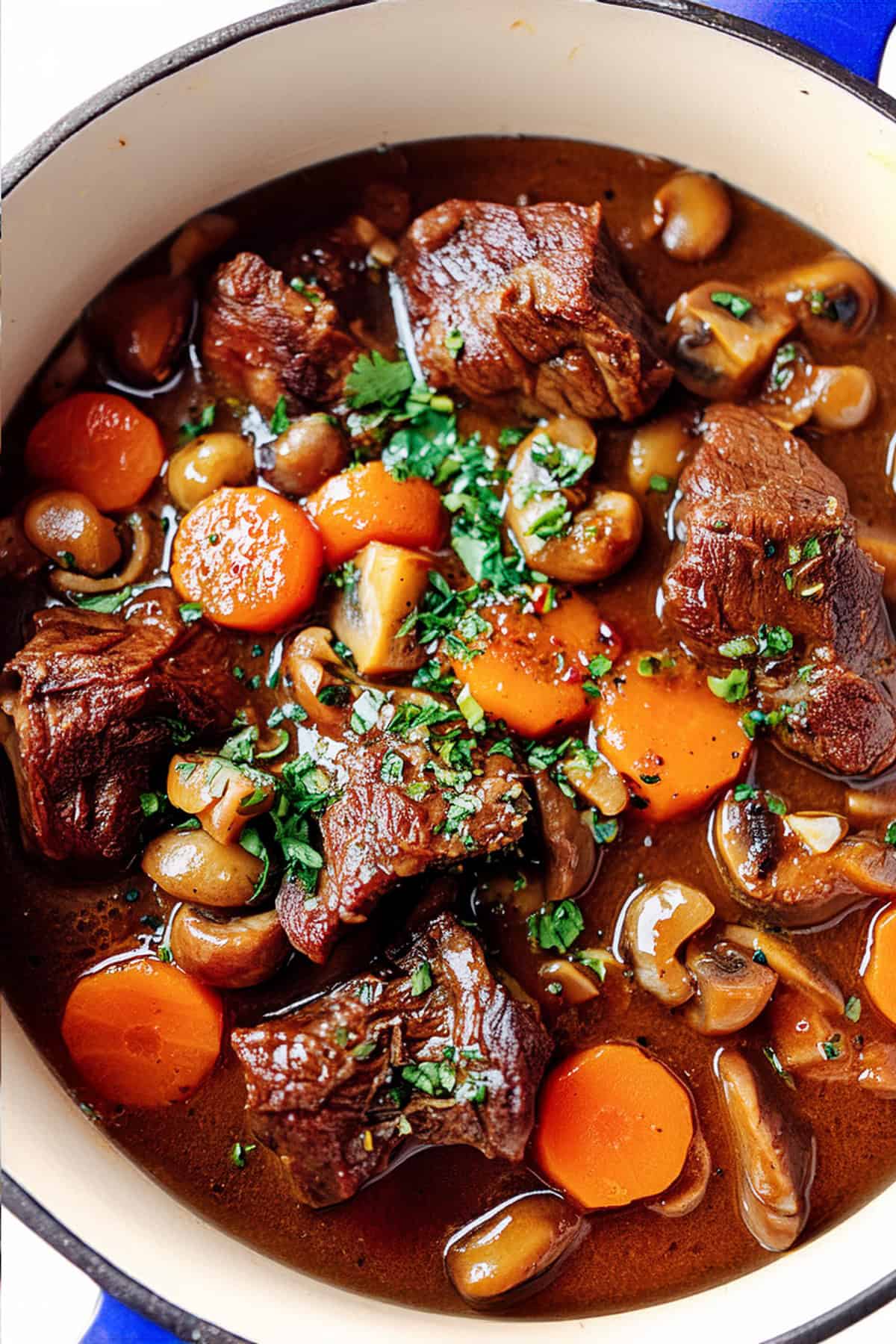
Mastering Tender Boneless Short Ribs: The Ultimate Guide to Dry Brining & Slow Braising
There are few dishes that evoke such a profound sense of comfort and culinary luxury as perfectly
braised boneless short ribs. Imagine succulent, fall-apart tender beef, enveloped in a rich, deeply savory sauce that melts in your mouth with every bite. This isn't just a meal; it's an experience, a testament to the transformative power of time and technique in the kitchen. Whether you're planning an impressive dinner party or simply seeking a soul-warming feast for a cozy weekend, mastering this dish guarantees restaurant-quality results right in your own home.
The secret to achieving this unparalleled tenderness and flavor lies in a two-pronged approach: the often-overlooked dry brine and the time-honored tradition of slow braising. These techniques, when combined, elevate humble short ribs to an extraordinary culinary height, yielding meat so tender it practically falls apart with a fork, drenched in a silky, unforgettable sauce.
The Magic Behind the Method: Dry Brining & Slow Braising Explained
At its heart, braised beef short ribs are a celebration of patience and understanding how to coax the best from a specific cut of meat. Boneless short ribs, typically sourced from the chuck or plate section of the cow, are naturally rich in connective tissues. While these tissues can make other cooking methods challenging, they are precisely what make short ribs ideal for braising, breaking down into gelatin during long, slow cooking, adding body and richness to the sauce while tenderizing the meat.
Before we even introduce heat, however, we unlock a crucial flavor and texture advantage through *dry brining*. This simple yet powerful step performs three incredible feats:
1.
Incredible Tenderness: The salt penetrates the meat, beginning to break down tough muscle fibers. This structural change results in boneless short ribs that are remarkably tender from the inside out.
2.
Superior Crust: By drawing moisture to the surface and allowing it to evaporate in the refrigerator, the dry brine creates an ideal, dry canvas for searing. This ensures you achieve an exceptionally deep, flavorful crust – a critical foundation for your braising liquid.
3.
Seasoning Throughout: Unlike a surface seasoning, the salt in a dry brine works its way deep into the meat, ensuring every strand is perfectly seasoned, not just the exterior.
Once dry-brined, the short ribs are then subjected to the gentle, prolonged heat of *slow braising*. This method involves searing the meat to lock in flavor and create those coveted browned bits, then simmering it for hours in a flavorful liquid at a low temperature. This process systematically breaks down the connective tissues into gelatin, transforming a potentially tough cut into melt-in-your-mouth perfection. The result is a dish infused with deep, bold flavors, complemented by a luxurious sauce that clings to every bite. To truly understand the science of this breakdown, you might find valuable insights in our article on
Achieve Fall-Apart Short Ribs: Essential Tips for Braising Success.
Precision Preparation: Setting the Stage for Success
The journey to perfect
braised boneless short ribs begins well before any heat is applied. Meticulous preparation ensures a smooth cooking process and optimal flavor development.
The Essential Dry Brine
*
Salt and Season: Begin by sprinkling ½ teaspoon of kosher salt evenly over all sides of your boneless short ribs for every pound of meat. Ensure thorough coverage to maximize the brine's effectiveness.
*
Refrigerate Uncovered: Place the seasoned short ribs uncovered in the refrigerator. This allows the salt to work its magic over 1 to 12 hours. The uncovered exposure is key for drying out the surface, which is vital for achieving that gorgeous, deep crust when searing.
*
Temper the Meat: About 30 minutes before you plan to start cooking, remove the short ribs from the refrigerator. Allowing the meat to come closer to room temperature ensures a more even sear and prevents the exterior from burning before the interior has a chance to properly brown.
Prepping Your Aromatic Vegetables
The aromatics form the backbone of your braising liquid, infusing it with layers of complex flavor.
*
Coarsely Chop: Gather your onion, shallots, garlic, and celery. Coarsely chop these ingredients together. For the parsnips, chop one now to go into the braise, reserving the others for crispy fried garnish later.
*
Time-Saving Tip: These vegetables can be chopped up to 24 hours in advance and stored in an airtight container in the fridge, making your cooking day much more relaxed.
Assembling the Braising Base
The liquid component is where the deep, savory character of your
braised boneless short ribs truly develops.
*
Measure Liquids: Have your red wine (choose a dry red wine you would genuinely enjoy drinking – its quality directly impacts your sauce!), balsamic vinegar, and rich beef bone broth measured out and ready.
*
Umami Power Bundle: In a small bowl, combine red miso paste, a touch of maple syrup for sweetness and depth, whole peppercorns, allspice berries, and dried mushrooms. This combination delivers a profound umami punch that elevates the entire dish.
*
Fresh Herbs: Rinse a bunch of fresh parsley and leave it whole. Tying it or keeping it whole allows its flavor to infuse without scattering leaves throughout the sauce, making it incredibly easy to retrieve before straining.
The Braising Journey: From Sear to Silky Perfection
With your ingredients prepped, it's time to embark on the cooking process, starting with the crucial sear.
The Indispensable Sear
This is perhaps the most critical step for flavor development. Take your time. Place your seasoned, tempered short ribs in a hot, heavy-bottomed pot (like a Dutch oven) with a bit of high-smoke-point oil. Allow the meat to sit undisturbed on each side until a deep, even brown crust forms. These browned bits, known as fond, are flavor powerhouses that will dissolve into your braising liquid, forming the foundation of your rich, savory sauce. Do not rush this step; patience here is generously rewarded.
Building the Flavorful Sauce
Once the short ribs are seared and set aside, deglaze the pot with your chopped aromatics. Sauté them until softened and fragrant, scraping up all those delicious browned bits from the bottom of the pan. Pour in your chosen red wine, allowing it to bubble and reduce slightly, concentrating its flavors. Then, add the beef bone broth, balsamic vinegar, your umami bundle, and the whole parsley bunch. Bring the liquid to a gentle simmer.
The Slow Simmer: Unlocking Tenderness
Return the seared boneless short ribs to the pot, ensuring they are mostly submerged in the aromatic liquid. Cover the pot tightly and transfer it to a preheated oven. Now, the magic of slow braising truly begins. For several hours, at a low and consistent temperature, the gentle heat will work its wonders, slowly breaking down the tough connective tissues into gelatin. This transforms the meat into the incredibly tender, fall-apart consistency that defines perfectly
braised boneless short ribs. The aroma that fills your kitchen during this stage is a delightful preview of the feast to come.
The Grand Finale: Finishing Touches & Elegant Presentation
As your braised short ribs approach their fall-apart tenderness, turn your attention to the finishing touches that elevate this hearty meal into a truly refined dining experience. This is where you can truly transform a comforting dish into a magnificent spread, perfect for entertaining or indulging in a luxurious weekend meal, as detailed in our guide
Restaurant-Quality Red Wine Braised Short Ribs: A Weekend Delight.
Refining the Sauce
*
Thickening Agent: Once the short ribs are meltingly tender, remove them from the pot along with the parsley bundle. Strain the braising liquid to create a smooth, velvety sauce, pressing on the solids to extract every last drop of flavor. Return the strained liquid to the pot. Prepare a cornstarch slurry (cornstarch mixed with a small amount of cold water) and whisk it into the simmering sauce. Allow it to cook for a few minutes until thickened to your desired consistency, creating a glossy, rich coating for the ribs.
Preparing Your Accompaniments
The right sides complement the richness of the short ribs beautifully.
*
Cheesy Polenta: Creamy polenta is an ideal canvas for soaking up that magnificent sauce. Have all your polenta ingredients (milk, broth, cheese, butter) measured out before you start the sauce's final simmer. This allows you to cook the polenta to silky perfection without feeling rushed.
*
Wilted Spinach: A quick addition of fresh, washed, and dried spinach to the hot plate adds a touch of vibrant color and a pleasant, fresh counterpoint to the richness.
*
Crispy Fried Parsnips: These add delightful texture and a sweet, earthy crunch. Slice your reserved parsnips into thin matchsticks shortly before frying to maintain their structure. If prepping ahead, store them in cold water, but ensure they are bone-dry before frying for the ultimate crispness.
*
Fresh Chives: A sprinkle of thinly sliced, crisp chives adds a delicate oniony freshness. Wash and dry them, then slice and refrigerate immediately to keep them vibrant until plating.
Conclusion: A Culinary Triumph
Mastering
braised boneless short ribs through the dual power of dry brining and slow braising is a journey well worth taking. From the initial salting that promises tenderness and a perfect sear, to the hours of gentle simmering that transform a humble cut into an exquisite delicacy, every step contributes to an unforgettable culinary creation. The result is a dish that not only satisfies the deepest cravings for comfort food but also impresses with its profound depth of flavor and luxurious, fall-apart texture. Serve these magnificent short ribs with creamy polenta, wilted spinach, and crispy parsnips, and prepare for a truly memorable dining experience that celebrates the art of slow cooking.